
映画とアニメーション

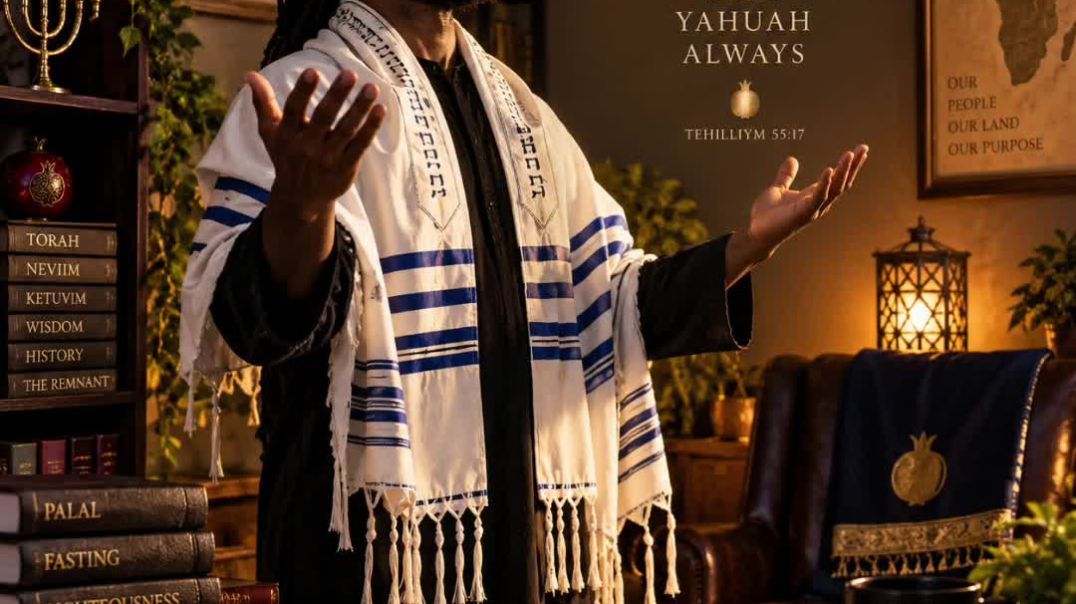
Under the Covering of Yahuah — We Can Walk the Narrow Path
Under the Covering of Yahuah — We Can Walk the Narrow Path SoMuch Media 7 ビュー • 6 日々 前に

Walking the narrow path is not always easy, but Yahuah has not called us to walk it alone. Yahusha showed us the way by living in obedience to the will of the Most High, resisting temptation, walking in righteousness, and remaining faithful through every trial. As his followers, we are called to walk as he walked, seeking Yahuah with our whole heart and allowing His Word to direct our steps. The broad road may seem easier because many people travel upon it, but Yahusha warned that the narrow path is the way that leads to life.

As we walk this path, we must understand the importance of remaining close to Yahuah. Psalm 91 describes the person who dwells in the secret place of the Most High as abiding under the shadow of the Almighty. This does not mean that the righteous will never experience temptation, hardship, persecution, sickness, or difficult seasons. Job was tested, Daniel was thrown into the lions' den, the three Hebrew men were thrown into the fiery furnace, and Yahusha himself suffered while doing the will of the Father. Yet through every trial, Yahuah remained faithful. Sometimes He delivers His people from trouble, and sometimes He strengthens and preserves them as they walk through it.

Scripture also warns us that there is an adversary who walks about seeking whom he may devour. For this reason, we are told to remain sober, vigilant, prayerful, and steadfast in faith. We should not become careless with sin, bitterness, hatred, unforgiveness, pride, or rebellion. These things can slowly take root when they are allowed to remain in our hearts. Yet our attention should not be centered upon Satan or evil spirits. Our eyes should remain upon Yahuah, because He is our refuge, fortress, defender, strength, and hope. The answer to darkness is to walk in the light, and the answer to deception is to remain grounded in truth.

Walking under Yahuah's covering does not mean that we will never stumble. The important thing is that when we stumble, we recognize it, repent, get back up, and continue moving forward. Proverbs 24:16 reminds us that a righteous person may fall seven times and rise again. The greater danger is becoming comfortable walking in the wrong direction and refusing correction. Yahuah's Word helps us examine ourselves so that bitterness, rebellion, and other forms of wickedness do not quietly take root and lead us away from Him.

Therefore, the message of Yahuah's covering should bring us hope rather than fear. We do not have to spend our lives constantly looking over our shoulders wondering what the adversary might do. We can look toward Yahuah, follow the footsteps of Yahusha, resist temptation, receive correction, repent when necessary, and continue doing the will of the Most High. The narrow path may require sacrifice, patience, faith, and endurance, but Yahuah is our refuge along the journey. When we seek Him, trust Him, and remain close to Him, we can continue walking forward with confidence, knowing that under the covering of Yahuah, we can walk the narrow path that leads to life.

The Book of Life — Will Your Name Be Written In It
The Book of Life — Will Your Name Be Written In It SoMuch Media 20 ビュー • 20 日々 前に

⁣Will You Be Found in the Book of Life? The Book of Life is one of the most powerful and serious subjects found in Scripture. From Moses to David, Daniel, Paul, and the book of Revelation, we are shown that Yahuah keeps a heavenly record and that names are written before Him. Paul spoke about faithful believers “whose names are in the book of life,” while David spoke about “the book of the living.” Daniel looked forward to a time when those “found written in the book” would be delivered. These passages remind us that while people may spend their lives trying to make their names important upon the earth, the greatest place for our names to be known is in heaven.

Yet Scripture gives us a serious warning. After Yashar’el sinned at Mount Sinai, Yahuah told Moses in Exodus 32:33, “Whosoever hath sinned against me, him will I blot out of my book.” David later used similar language when he spoke about the wicked being “blotted out of the book of the living.” Then Yahusha gave the assembly at Sardis an extraordinary promise in Revelation 3:5: “He that overcometh… I will not blot out his name out of the book of life.” The language of blotting something out naturally describes removing something that was already written, which raises an important question about the names recorded before Yahuah.

Scripture does not plainly state that every person's name is written in the Book of Life at birth, so we should be careful not to present that idea as though a verse directly teaches it. Nevertheless, the repeated language of names being written, blotted out, and later found written gives us an important pattern to consider. The greater lesson is that we should never become comfortable simply because we once believed, learned the truth, joined an assembly, or began walking with Yahuah. Yahusha repeatedly told His people to repent, hold fast, remain faithful, and overcome.

The assembly at Sardis gives us a powerful warning because they had a reputation for being spiritually alive, but Yahusha said, “thou hast a name that thou livest, and art dead.” Their reputation among people could not hide their true condition from Messiah. Yet Yahusha did not abandon them without warning. He told them to wake up, strengthen what remained, remember what they had received, hold fast, and repent. This shows us that correction is also an act of mercy. When Yahuah reveals something wrong in our lives, He is giving us an opportunity to turn away from sin and return to righteousness.

The message is especially important for those awakening to truth today. Learning the name of Yahuah, understanding Torah, studying prophecy, uncovering history, and recognizing false traditions are not the end of our journey. Knowledge must produce righteousness. Truth should make us more obedient, humble, loving, faithful, and willing to repent. We can know many things about Scripture and still become like Sardis if our outward knowledge is not matched by an inward walk of righteousness.

At the final judgment, Revelation tells us that the books will be opened and that another book will be opened, the Book of Life. Daniel speaks about those who will be “found written in the book,” and Revelation speaks about those whose names are “found written in the book of life.” This brings us to the heart of the message. The greatest question is not simply whether our names were ever written. The question we should seriously consider is whether our names will be found written there when the books are opened.

Therefore, let us not place our confidence in religious titles, earthly reputation, knowledge, wealth, popularity, or the praise of people. Let us seek Yahuah with our whole heart, repent when we fall, obey His Word, follow Yahusha, remember our first love, hold fast to the truth, and remain faithful through every trial. Yahusha gave the overcomer a beautiful promise: “I will not blot out his name out of the book of life, but I will confess his name before my Father, and before his angels.” The world may one day forget our names, but there is one place where we should desire above everything else for our names to remain: written in the Book of Life.

Akata - Chata – Chatta – Chatta’ah – Kata –Video
Akata - Chata – Chatta – Chatta’ah – Kata –Video macmen007 2 ビュー • 20 日々 前に

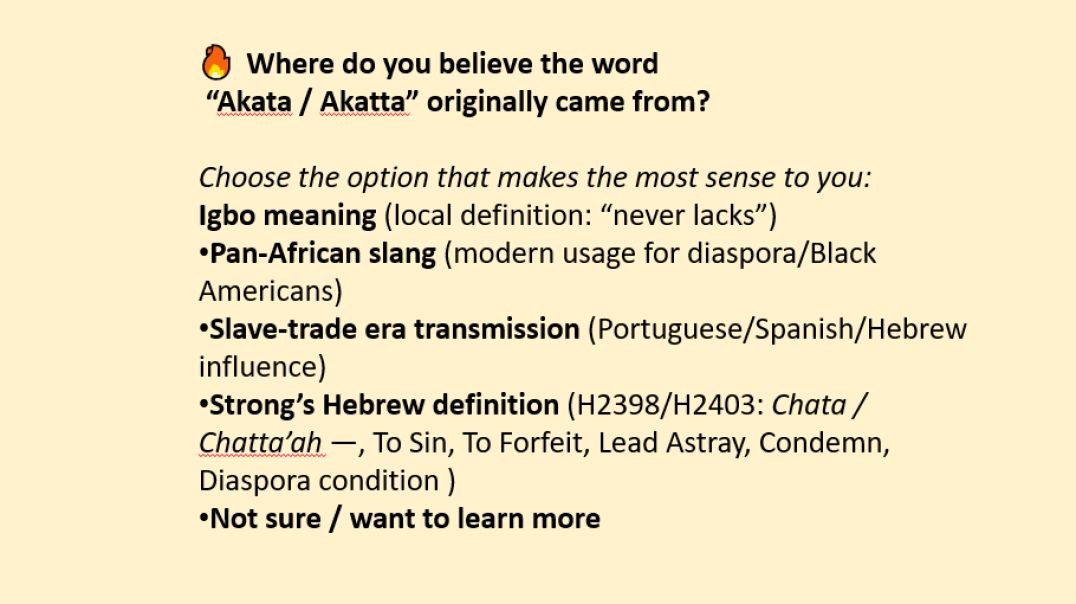
.⁣Akata / Akatta / Chata. (The History of the Slanderous word):
- Akatta has a positive meaning inside Igbo Nation — “never lacks,” prosperity, industry, and the proud identity of the Akatta community in Imo State. No one disputes that.
But the reason this word has become “the elephant in the room” is because the pan‑African slang meaning did NOT come from Igbo language at all. Across West Africa, “Akata” is used only for Black Americans — not for any other African group. That’s extremely unusual and suggests the word has another historical pathway outside Igboland.
Here’s the part most people don’t know:
1. The Trans‑Atlantic Slave Trade involved Hebrew‑speaking and Israelite‑descended people.
Portuguese and Spanish crews included Sephardic Jews expelled from Iberia. Many were deported to São Tomé, Cape Verde, Guinea, Sierra Leone, and the Niger Delta — exactly where enslaved Africans were taken from. African middlemen often adopted foreign words from these traders.
2. The slang meaning of “Akata” matches a Hebrew diaspora‑condition word (Strong’s H2398 / H2403: CHATA / CHATTA’AH).
Not linguistically — but functionally. Outside Igboland, “Akata” means:
people not from here
people separated from ancestral land
descendants of the slave trade
This matches the Hebrew concept of a diaspora people who became a byword.
3. This explains why the slang meaning applies ONLY to Black Americans.
Not to Ghanaians, Congolese, Ethiopians, or Afro‑Caribbeans — only to the descendants of the slave trade.
So yes — Akatta has a beautiful meaning in Igbo, and that meaning should be respected. But the other meaning likely came from slave‑trade networks, not Igbo language — which is why it spread across Africa with a completely different sense.
Both meanings exist because they come from different histories.

Babylon Could Have Been Healed But She Would Not Repent
Babylon Could Have Been Healed But She Would Not Repent SoMuch Media 49 ビュー • 2 月 前に

⁣
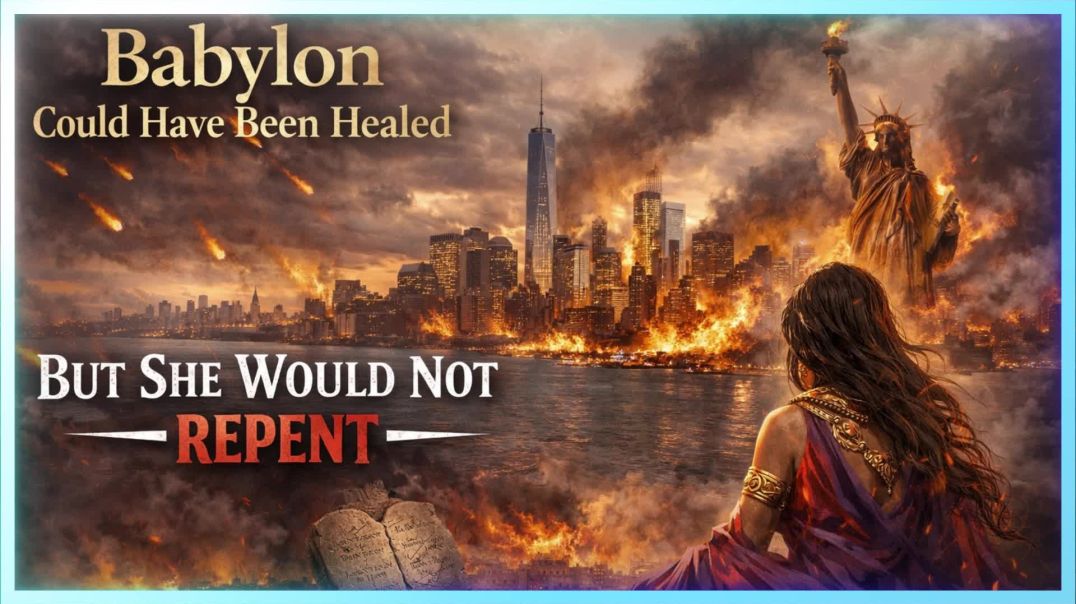
Yahuah gave Babylon time to turn away from her wickedness, but she refused to repent. Jeremiah 51:9 says, “We would have healed Babylon, but she is not healed: forsake her.” Her fall did not come without warning. Her pride, violence, greed, false worship, and mistreatment of the nations filled the cup of judgment. Instead of listening to Yahuah’s warnings, Babylon trusted in her riches, power, and influence. She believed no one could bring her down, but no kingdom can stand forever when it continually rejects the Most High.
Babylon’s story is also a warning for every nation and every person today. Yahuah is patient and gives people time to repent, but His patience should never be mistaken for approval. Revelation 18:4 says, “Come out of her, my people, that ye be not partakers of her sins.” Yahuah is calling His people to separate themselves from Babylon’s sinful ways—not only physically, but also spiritually. We must reject her pride, greed, corruption, confusion, and rebellion against His commandments.
Babylon could have been healed, but she loved her ways more than she desired correction. When repentance is continually rejected, judgment becomes certain. Yet Yahuah still offers mercy to those who hear His voice, humble themselves, and return to Him. Now is the time to examine our hearts, leave the ways of Babylon behind, and walk in obedience to Yahuah through Yahusha. Babylon refused to change, but we do not have to make the same choice.

Showing 1 out of 2