Neueste Videos
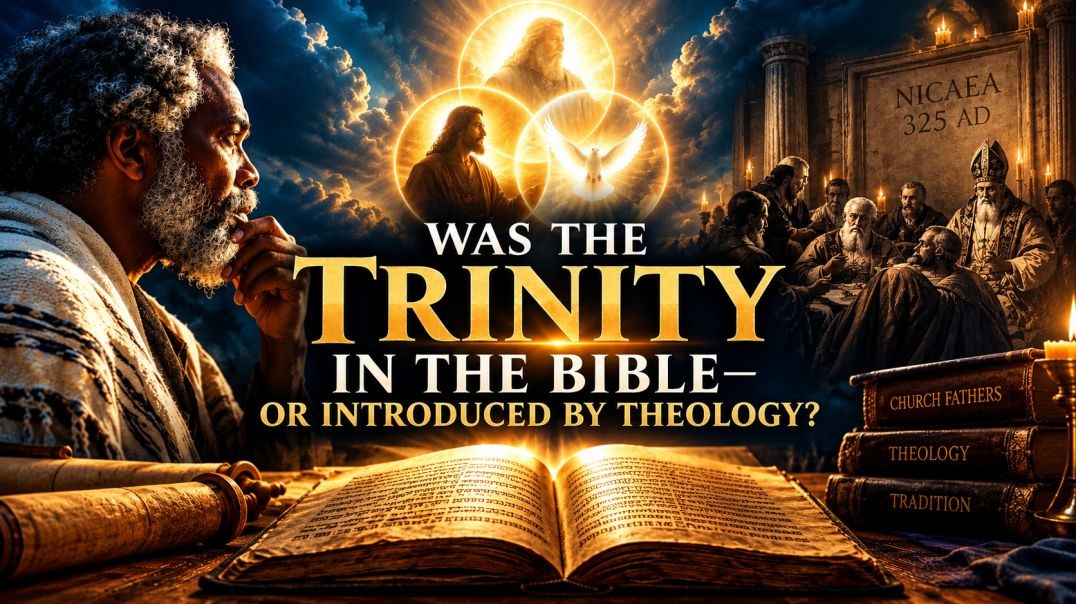

Is The Trinity a concept introduced by theology, or does it stem from scripture? We examine the origins of this doctrine. This discussion features a detailed look at the essay 'On "Not Three Gods,"' written by Gregory of Nyssa. If you are interested in historical religious study and how specific beliefs are formulated, this conversation provides a critical perspective on how interpretations shape modern faith. We analyze the text to see if the traditional understanding of the godhead aligns with early biblical truth. By comparing theological origins against the source material, we aim to clarify whether these beliefs were inherent or added later. This analysis is intended for those seeking to question assumptions and investigate the factual basis of their own religious framework. Subscribe for weekly theological breakdowns, and let us know in the comments if you agree with the arguments presented in the text.
Website: https://www.anendtimewitness.site/
Articles: https://www.anendtimewitness.site/posts
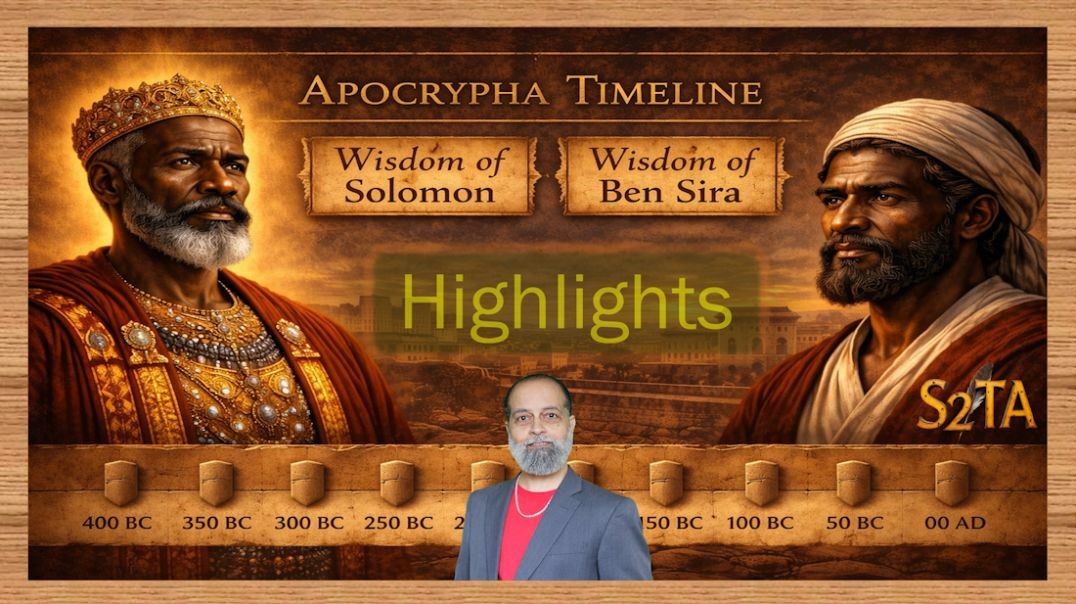

The early Church held a varied view of the Book of Wisdom, and was widely cited by early Church Fathers. The question of whether Wisdom of Solomon, Sirach, and Psalm 151 warrant inclusion in the biblical canon is central to the historical divisions within Christianity.
Highlights for Episode 45.
Title: Apocrypha Timeline - Wisdom of Solomon | Ben Sira - E45
Video Links:
Rumble: https://rumble.com/v78jpgy-apo....crypha-timeline-wisd
YouTube: https://youtu.be/e1AKKrZnAQ0
Hebrew Connect: https://hebrewconnect.tv/watch/5IyMOBOnsG7yfQD
Website: https://DisciplesOfYahawashi.org/
Email: Feedback@DisciplesOfYahawashi.org
Donations:
CashApp: $ThaBruthaz
CashApp: https://cash.app/$ThaBruthaz
PayPal: Donations@DisciplesOfYahawashi.org
PayPal: https://www.paypal.com/biz/pro....file/DisciplesOfYaha
Venmo, Credit or Debit: https://www.paypal.com/ncp/payment/BRNJQLUPG2W86
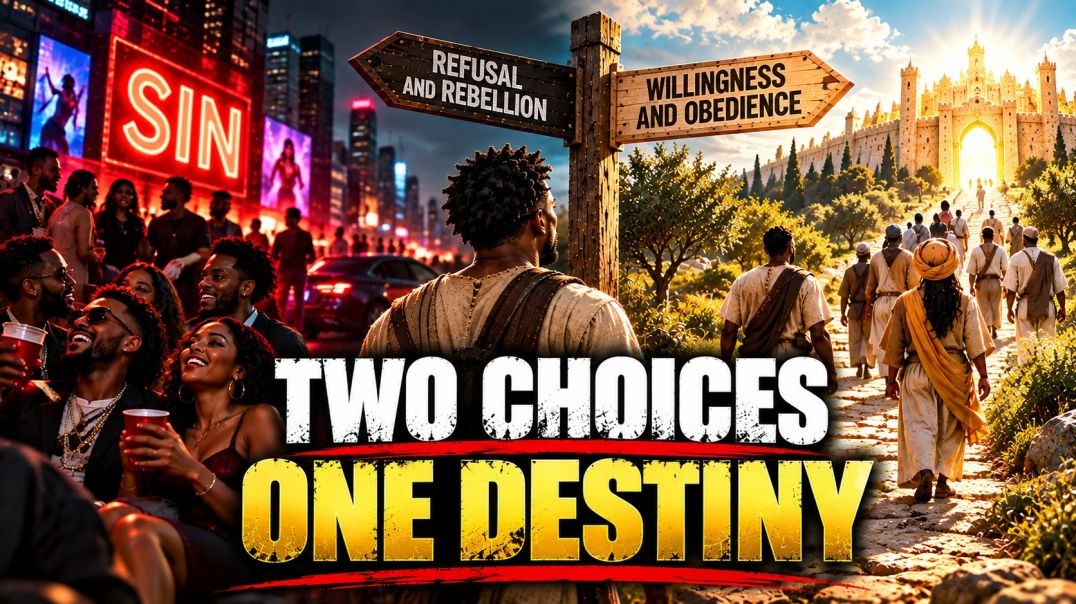

When Sin Is Called Good — The Heart No Longer Wants Correction.
We are living in a time when many people no longer hide their sins but openly defend and celebrate the very things Yahuah has warned us against. What was once considered wicked is now being called good, while those who stand for righteousness are often rejected. Yet the Word of Yahuah has not changed. Isaiah 5:20 warns against calling evil good and good evil. This lesson reminds us that there is a difference between struggling with sin and reaching a point where the heart no longer desires correction.
As lawlessness increases, we must be careful not to allow the darkness around us to become darkness within us. Scripture calls us to examine our hearts, accept correction, and resist the temptation to follow the crowd into wickedness. We must never become so comfortable with the ways of the world that we begin defending what Yahuah has commanded us to leave behind. True repentance is more than admitting we are wrong. It means turning away from sin, returning to Yahuah, and learning to walk in obedience to His Word.
The Most High is still calling His people to return to Him. Through Scripture and the Apocrypha, we are reminded that His mercy remains available to those who sincerely repent. The world may change its standards, but Yahuah's Word stands forever. As children of light, we must remain steadfast, guard our hearts, and continue walking in righteousness while we await the promised restoration of Yashar'el. When the world calls sin good, will we follow the crowd, or will we remain faithful to Yahuah?
Join us at SoMuch Media as we examine this important warning through Scripture and the Apocrypha. Remember to like, share, subscribe, and help spread the truth.
Truth You Can Share • Faith You Can Wear- https://somuchmedia.store

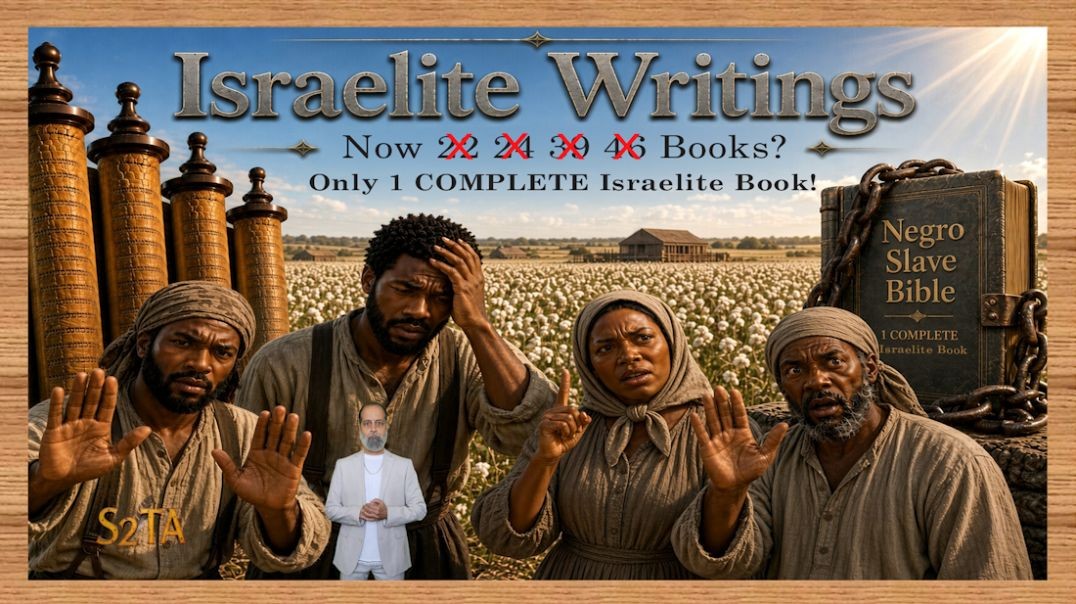
Did the one true God collaborate with, and inspire Christians, when creating the Negro Bible? Do you believe Christians lied to the Negro by omission regarding the contents of that Bible? Is the Negro Bible the Greatest Lie Ever Told?
Website: https://DisciplesOfYahawashi.org/
Email: Feedback@DisciplesOfYahawashi.org
Episode 55
Donations:
CashApp: $ThaBruthaz
CashApp: https://cash.app/$ThaBruthaz
PayPal: Donations@DisciplesOfYahawashi.org
PayPal: https://www.paypal.com/biz/pro....file/DisciplesOfYaha
Venmo, Credit or Debit: https://www.paypal.com/ncp/payment/BRNJQLUPG2W86


The LORD is my Shepherd; I shall not want. — Psalm 23
Find peace, comfort, and encouragement in this original worship song inspired by the timeless words of Psalm 23. When life feels uncertain, God's promise remains the same: He leads us beside still waters, restores our souls, and walks with us through every valley.
www.youtube.com/channel/UCBMd61J5-K7e1arw4fw_m0w
This song was created to help you rest in God's presence, strengthen your faith, and remember that you never walk alone. Whether you are praying, studying Scripture, seeking healing, or simply needing a moment of peace, may these words draw your heart closer to the Shepherd who lovingly guides His people.

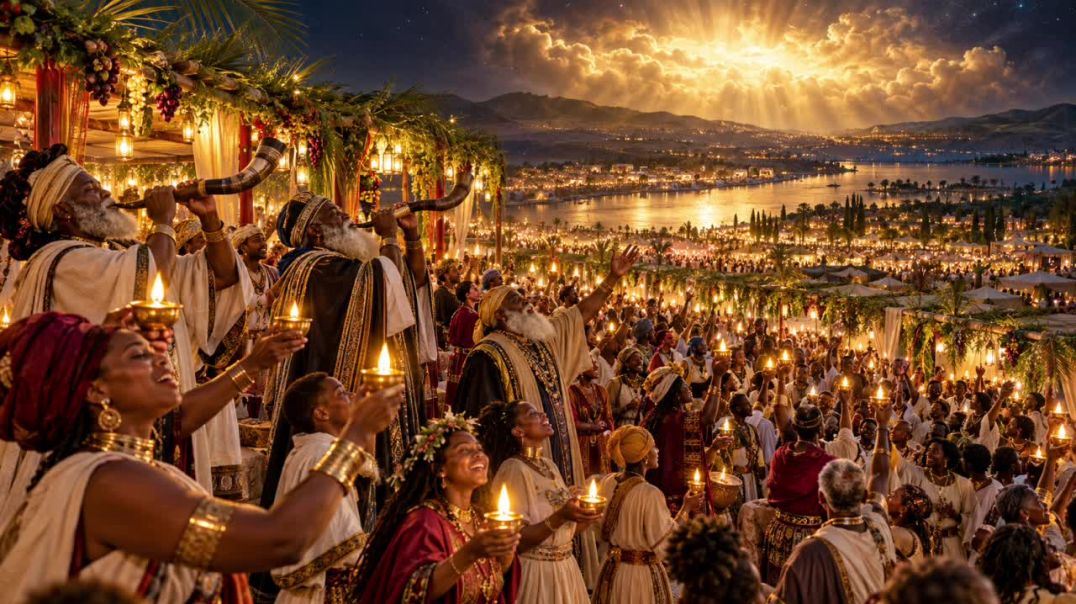

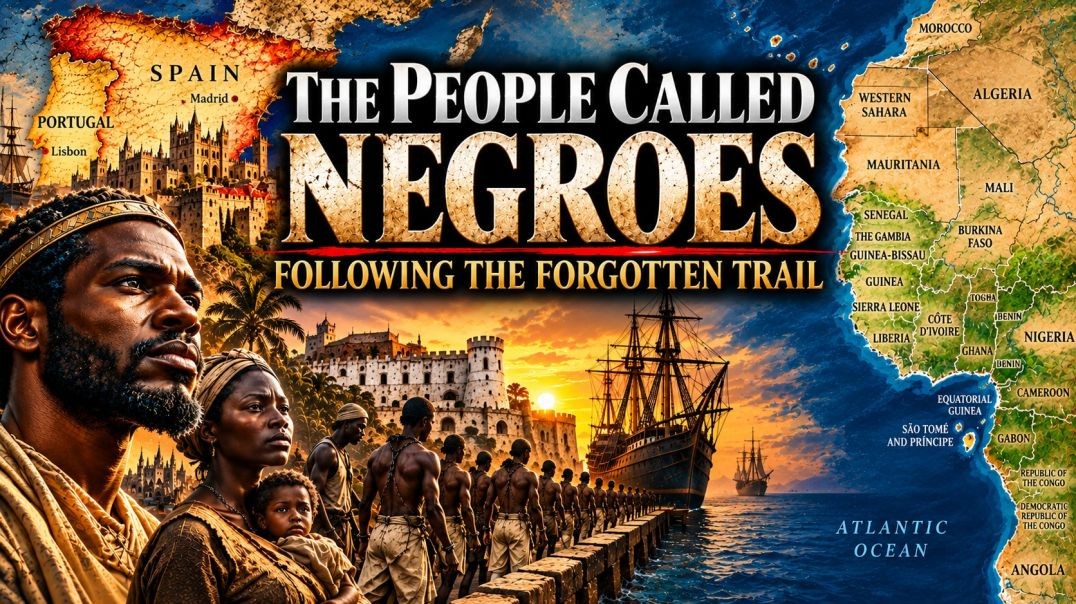


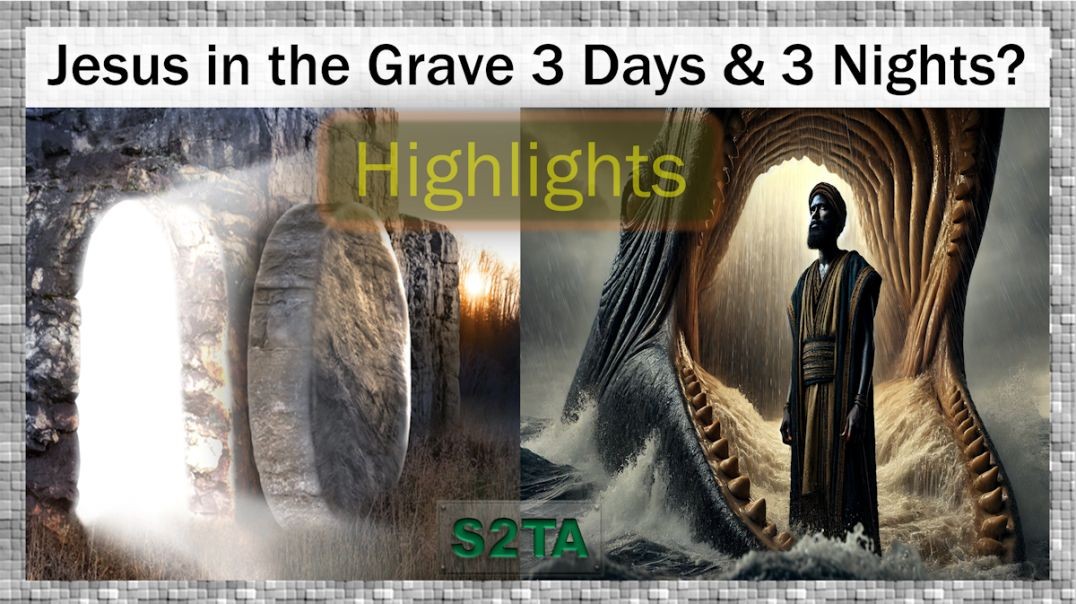
The Resurrection of Jesus on the 3rd day is a central tenet of Christian faith. Significant confusion exists regarding the phrases “3 days and 3 nights” and “in the heart of the earth”. Just how did Jesus rise on the 3rd day? Watch and see!
Highlights for Episode 44.
Title: Jesus in the Heart of the Earth - E44
Video Links:
Rumble: https://rumble.com/v787cuw-jes....us-in-the-heart-of-t
YouTube: https://youtu.be/XNZ8FE-glWo
Hebrew Connect: https://hebrewconnect.tv/watch/7iiNVRfKNelkI1a
Website: https://DisciplesOfYahawashi.org/
Email: Feedback@DisciplesOfYahawashi.org
Donations:
CashApp: $ThaBruthaz
CashApp: https://cash.app/$ThaBruthaz
PayPal: Donations@DisciplesOfYahawashi.org
PayPal: https://www.paypal.com/biz/pro....file/DisciplesOfYaha
Venmo, Credit or Debit: https://www.paypal.com/ncp/payment/BRNJQLUPG2W86
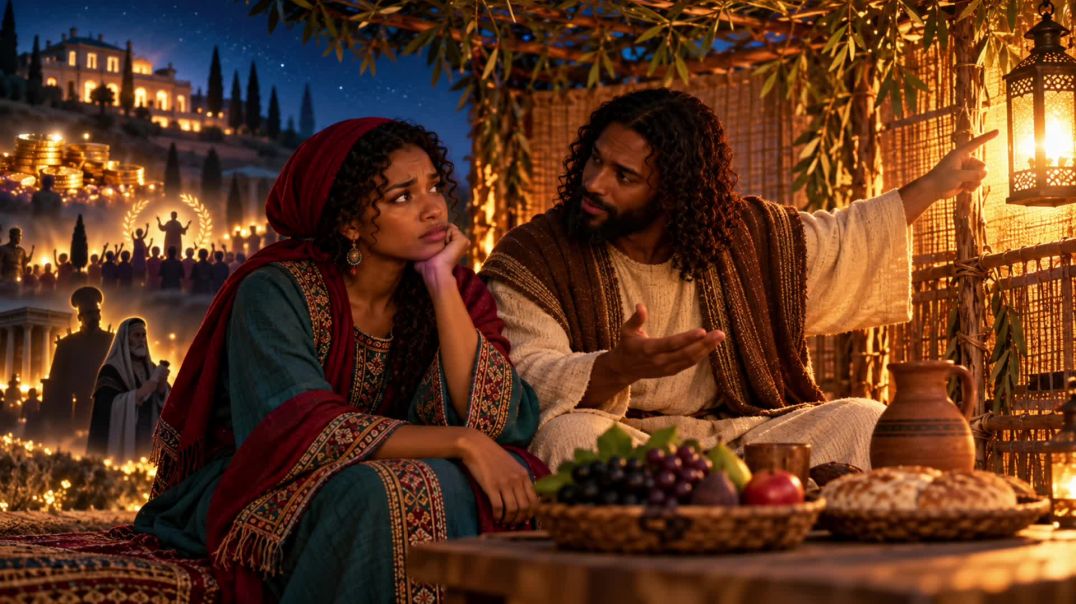
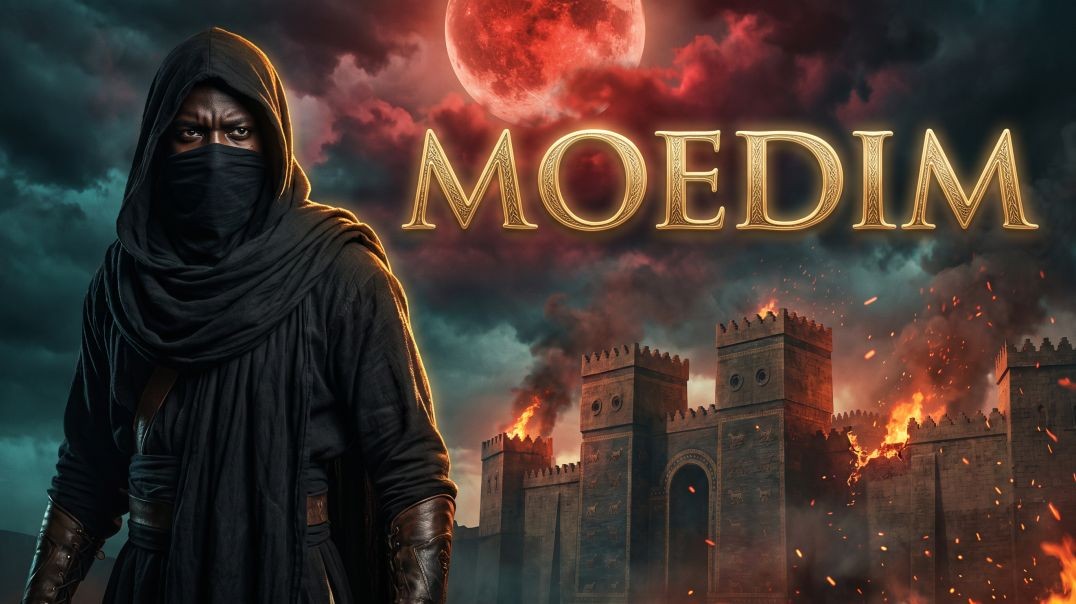

Moedim — Episode 1: The Nephilim and the Serpent (Also Available on Patreon)
In the days before the flood, the sons of heaven crossed a line that was never meant to be crossed — and the earth was filled with their offspring. Giants. Men of renown. The Nephilim.
This is where the story begins.
Episode 1 opens the book of Moedim, a photoreal cinematic retelling of the ancient world as Scripture describes it — not sanitized, not softened. From the strange union of the watchers and the daughters of men, to the rise of mighty ones whose names outlived them, to the shadow of the Serpent moving behind the kings of the earth… the age of legends was real, and it was terrifying.
Witness the birth of the giants. The corruption of the bloodlines. The first stirrings of a war that will one day pull a man named Abram from his tent and into history.
"There were giants in the earth in those days… mighty men which were of old, men of renown." — Genesis 6:4
📖 Based on Genesis 6 (and the road toward Genesis 14)
—
🔥 New episodes drop on the Benayah Israel Patreon channel - https://www.patreon.com/benayah4israel
— Subscribe and turn on notifications so you don't miss the war that's coming.
❤ Support the vision:
Cash App: $benayah4israel
Patreon: patreon.com/c/benayah4israel
Every share helps this story reach more people. Like, comment, and tell someone.


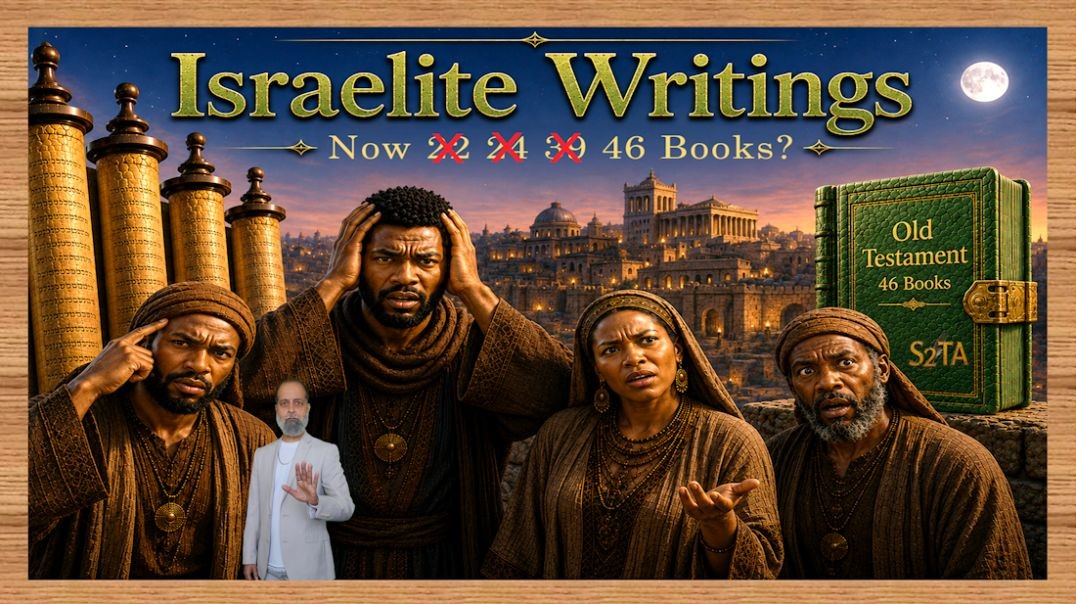
Should we trust the Christian canonization process if some Church fathers believe Christian doctrine would have remained unimpaired if the Old Testament had been lost? Nevertheless, did the Holy Spirit inspire Catholics or Protestants when creating the Old Testament?
Website: https://DisciplesOfYahawashi.org/
Email: Feedback@DisciplesOfYahawashi.org
Episode 54
Donations:
CashApp: $ThaBruthaz
CashApp: https://cash.app/$ThaBruthaz
PayPal: Donations@DisciplesOfYahawashi.org
PayPal: https://www.paypal.com/biz/pro....file/DisciplesOfYaha
Venmo, Credit or Debit: https://www.paypal.com/ncp/payment/BRNJQLUPG2W86



A family is need of help. They need money for food.
His twitter: https://x.com/67Shina40474
His paypal : @r0bsfresh007
The lady in the video is his wife. She will have twins. https://youtu.be/I3867N4dBZw?si=2jKrf__gwL6XSp-C
#paypal #twitter