













The investigation of the People Called The Negro


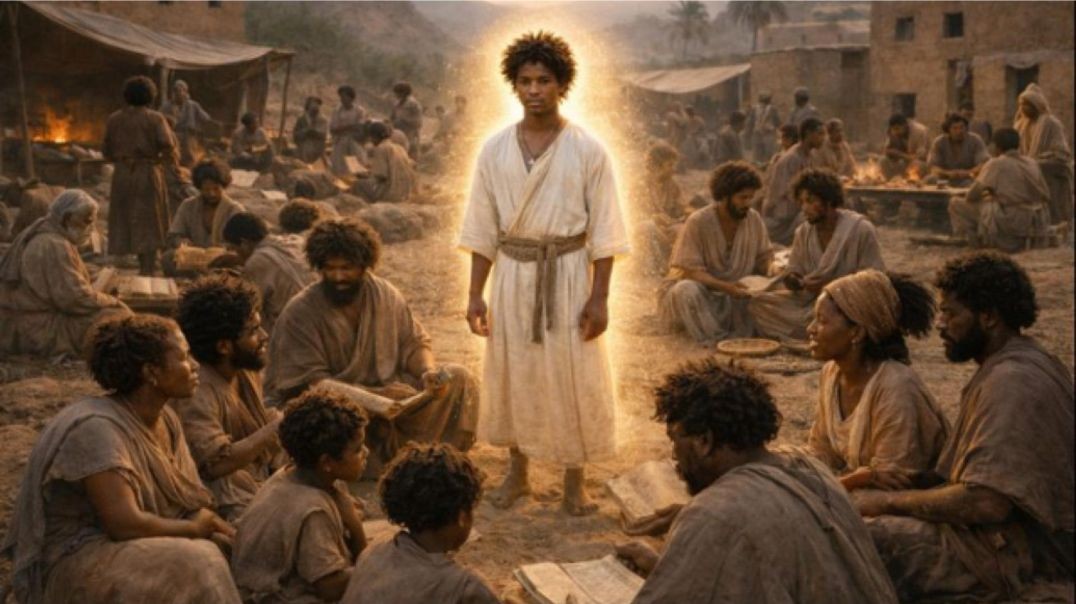
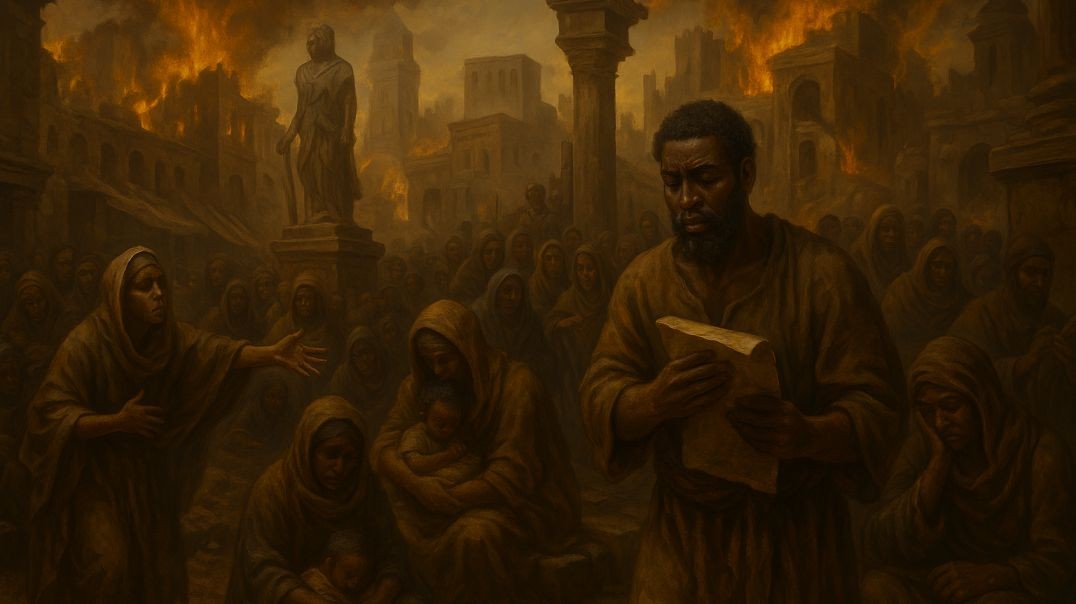
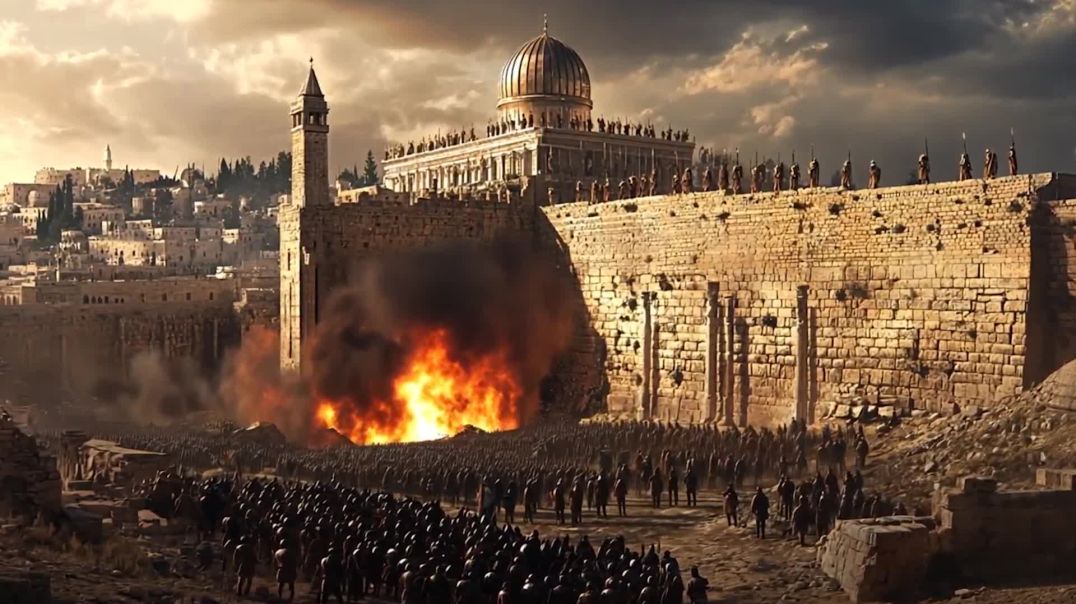
The Investigation of the People Called the Negro follows a historical and Scriptural trail that asks a question rarely examined in full: Who were the people eventually called Negroes, and what happened to their identity through centuries of exile, forced conversion, slavery, migration, and captivity? Rather than beginning with a conclusion, this investigation follows records, maps, names, migrations, Inquisition documents, Portuguese history, Atlantic shipping routes, and accounts of Yahudi and New Christian communities in Iberia and parts of Africa. It examines the expulsion and forced conversion of Yahudi in Spain and Portugal, the transportation of Yahudi children to São Tomé, Jewish and New Christian presence along parts of West Africa, and the enormous Atlantic system that later carried millions of Africans into Brazil, the Caribbean, North America, and other lands.
The investigation then places this history beside Scripture. Deuteronomy describes Yashar’el scattered among the nations, living under judgment, and eventually calling these things to mind while still among the nations before Yahuah gathers them. That pattern raises important questions when compared with the modern awakening among some descendants of the African diaspora who are searching the Scriptures, examining Torah, questioning inherited religious identities, and identifying themselves with biblical Yashar’el.
This investigation does not require every historical clue to prove the entire case by itself. A name on a map, a description in an old book, a Jewish community in West Africa, or a slave record must each be examined within its own historical setting. The larger question comes from placing the evidence together and asking where it leads. Follow the people. Follow the names. Follow the records. Follow the migrations. Follow the ships. Follow the captivity. Then compare the historical evidence carefully with Scripture.
Ultimately, this is more than an investigation into the word Negro. It is an investigation into identity, captivity, remembrance, and restoration. If a scattered people are beginning to remember their history and turn again toward the Elohim of their fathers, then the most important question is not simply, “Who were we?” It becomes, “What does Yahuah require of us now?” Scripture points beyond awakening toward repentance, obedience, faithfulness, and ultimately the gathering that belongs to Yahuah. History may help us follow the forgotten trail, but Scripture tells us what remembrance should produce: a people turning their hearts back to Yahuah.



SORT BY-
Top Comentarios
-
Últimos comentarios