Top videos


What does the Apocrypha have to say about the last days, and world war 3?
Join TEOTW's Online Community:
https://teotwministries.ning.com/
Become A Patron If You Want To Help Us Awaken Israel.
https://www.patreon.com/teotw











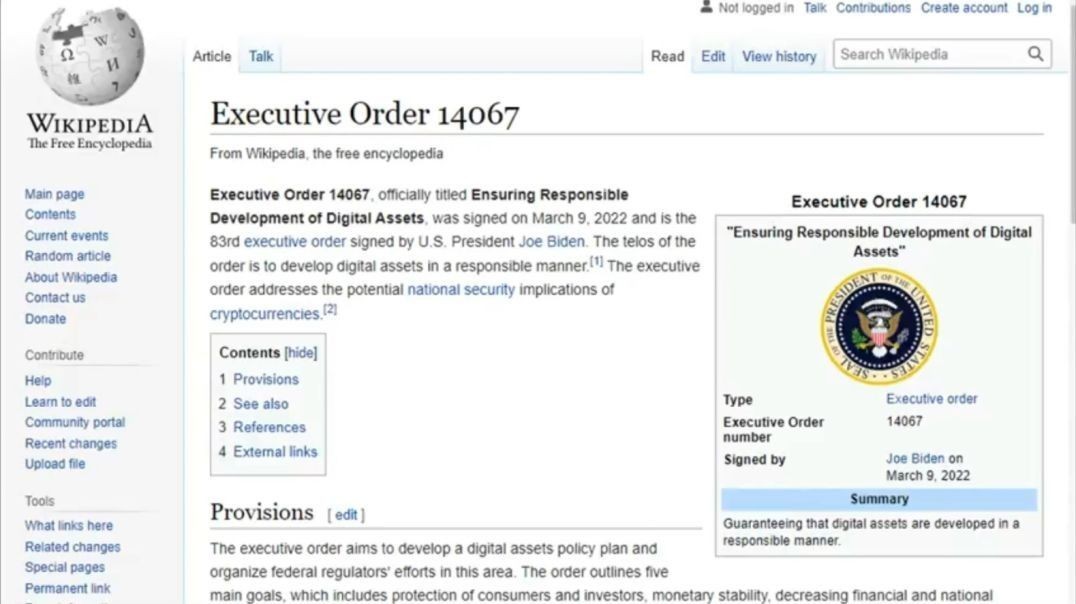

Is Paying Taxes Legal? You'll be surprised Israel !!!
Former IRS Agent And Registered CPA Sherry Jackson Tells About IRS And Taxes -
Social Media Links:
https://kingsresources.live/kzo
Support & Subscribe:
להפריד- King Magee
-Artist
-Music Producer
-Video Production
-Video Editor
-Researcher
-Watchmen
Baruch 3:6
3. Give not thine honor to another, nor the things that are profitable unto thee to a strange nation.
4. O Israel, happy are we: for things that are pleasing to God are made known unto us.
5. Be of good cheer, my people, the memorial of Israel.
6. Ye were sold to the nations, not for your destruction: but because ye moved God to wrath, ye were delivered unto the enemies
© 2022 Kings Resources




Glory Honor Grandeur. A Messenger Worship single, praises YHWH for his marvelous work of creation and his sovereignty. Glory Honor Grandeur highlights The Father's creative mind and how much care He put into making His creation. All to give back the Glory to The Father
Independent worship music artist, Messenger Worship, music made to praise the creator of Shamayim (Heaven) & Erets (Earth).
👇
Social Media:
YouTube — https://www.youtube.com/channe....l/UCK6upO6UyBzDVWrvY
Instagram — https://www.instagram.com/messengerworship/
Stream:
Soundcloud — https://soundcloud.com/messengerworship
Preformed and written by Messenger Worship
Video Chapters:
Intro 0:00
Free verse 0:49
Interlude 1:21
Reminisce 1:36
Interlude 2:07
Free verse 2:23
The Recognition 3:09
Reminisce 3:38
YHWH in Creation 4:11
Exalt 4:27
Soaking in His Presence 4:58
Chant 5:13
Ending 6:07
#israelites #israelitemusic #sabbathservice



00:13:46 Black Horse
00:21:08 The Zars judged now
00:30:00 Returned to Your Crib
00:42:00 Nimrod AntiChrist Not Zars
00:47:00 Whitehouse Will Be Cush
1:00:00 PAYPAL
1:04:30 Iran
Joshua Maponga
This Prophecy of Fall of Zars. DECEMBER 22, 2023
Congo & more http://www.intoalltruth.net - Find us
https://livelightwell.com/shop - Buy our Calandar & Hebraic Chaya Eat Life and Fast
https://py.pl/b3k1G - Paypal Buy our Chaya Book - Quick Link
paypal.me/livelightwell - Paypal Me - Quick Donation
https://www.youtube.com/redirect?
To get the calendar or make a donation:
https://www.paypal.com/donate?....token=YAsSPcvvp-qxgB








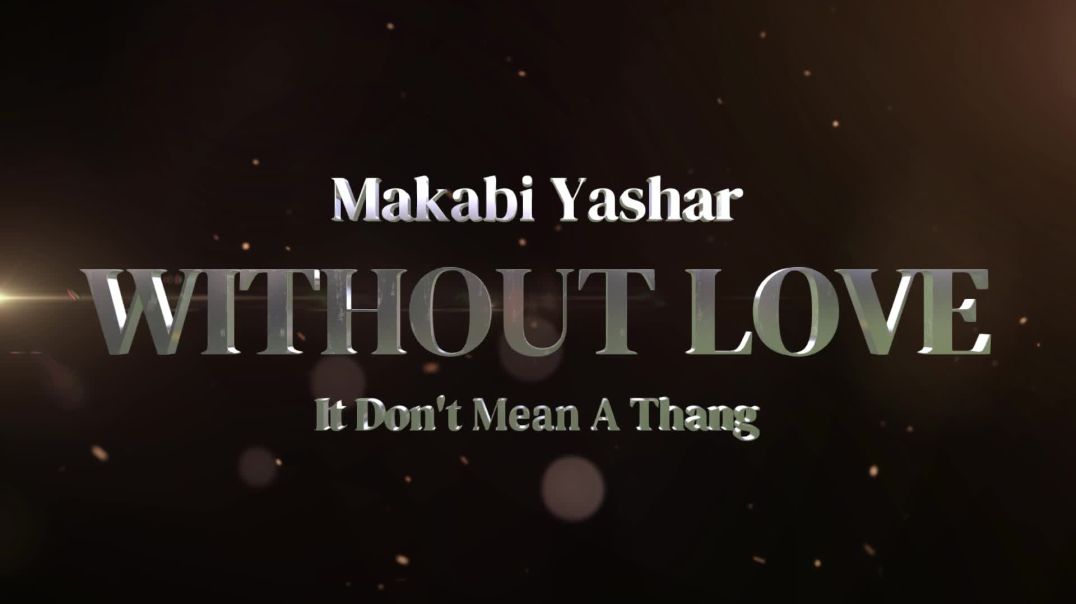

"Without Love" is an infectious groove that takes the listener on a journey of self-reflection. Shining the light on what we do and the motivation behind it. Driven by soulful vocals, the song builds an atmosphere of longing and introspection. Its lyrics speak to the universal truth that no matter how much we achieve and do for others, if it doesn't come from a place of Love, it don't mean a thang.
MAKABI YASHAR FACEBOOK PAGE
https://www.facebook.com/share/16N8GyS13N/
MAKABI YASHAR YOUTUBE CHANNEL
https://youtube.com/@MakabiYas....har?si=5hxDXcKLRLBj9
MAKABI YASHAR TIKTOK
tiktok.com/@makabi.yashar
MAKABI YASHAR WEBSITE PAGE
https://makabimusic.com/makabi-yashar
MAKABI YASHAR APPLE MUSIC PAGE
https://music.apple.com/us/art....ist/makabi-yashar/18
MAKABI YASHAR SPOTIFY PAGE
https://open.spotify.com/artis....t/2R5uhTsycSglMIqgYc


Immerse yourself in 15 powerful King James Version Bible verses that inspire growth, resilience, and spiritual strength—all set to calming, healing study music and paired with original art by Jeremy G. Bell.
This soothing blend of scripture, peaceful beats, and evocative neo soul visuals creates the perfect atmosphere for:
🌿 Relaxation
📚 Focused study
🙏 Reflection and prayer
Whether you’re journaling, working, or simply unwinding, let these timeless words and soulful imagery remind you that with God, you can overcome any challenge.
🖼 Explore more art and prints at: www.jeremygbell.com
💫 Take a moment to pause, breathe, and be encouraged.


The Come Up - YouTube
Hello, in this video I share how I became a software engineer without a Computer Science degree or attending a Bootcamp.
Here are some resources I used in my journey:
Most Important Resource: https://www.recurse.com/
Programming Resources
Head First Java
Learning Python O’Reilly 5th ed
Automate the Boring Stuff with Python
UC Berkeley Data Structures Course (https://inst.eecs.berkeley.edu/~cs61b/fa19/)
Algorithms 4th ed Sedgwick
The Algorithm Design Manual by Skiena
Interview Resources
Cracking The Coding Interview
Elements Of Programming Interview
leetcode.com
Interviewing.io
pramp.com
LET'S BE FRIENDS
Instagram: https://www.instagram.com/bukola.dev/
VIDEO RESOURCES
Music: Summer Youtube Music
Desk Equipment
https://kit.co/TheComeUp/desk-equipment
Filming Equipment
https://kit.co/TheComeUp/filming-gear
PERSONAL INQUIRIES
DM me on Instagram!
BUSINESS INQUIRIES
mgmt@bukola.dev
TIMESTAMPS | CHAPTERS
0:00 - Intro
1:00 - My Job Before Becoming A Software Engineer
4:54 - Why I Chose Not To Do a Bootcamp or get a CS degree
5:40 - Recurse Center (free educational retreat)
6:50 - How I Studied Before Quitting My Job
7:38 - How I Studied After Quitting My Job
9:04 - My Interview Experience
10:11 - Interview Resources I Found Helpful
#blackengineer #softwareengineer




The video shares the horrible experience of a woman after she received the Covid-19 Vaccination.
Also, there are THOUSANDS of people being damaged by the Covid-19 Vaccination. To view the other video and documents, please visit the link below:
https://houseofshiloh.org/blog....-updates/f/real-side