Top videos


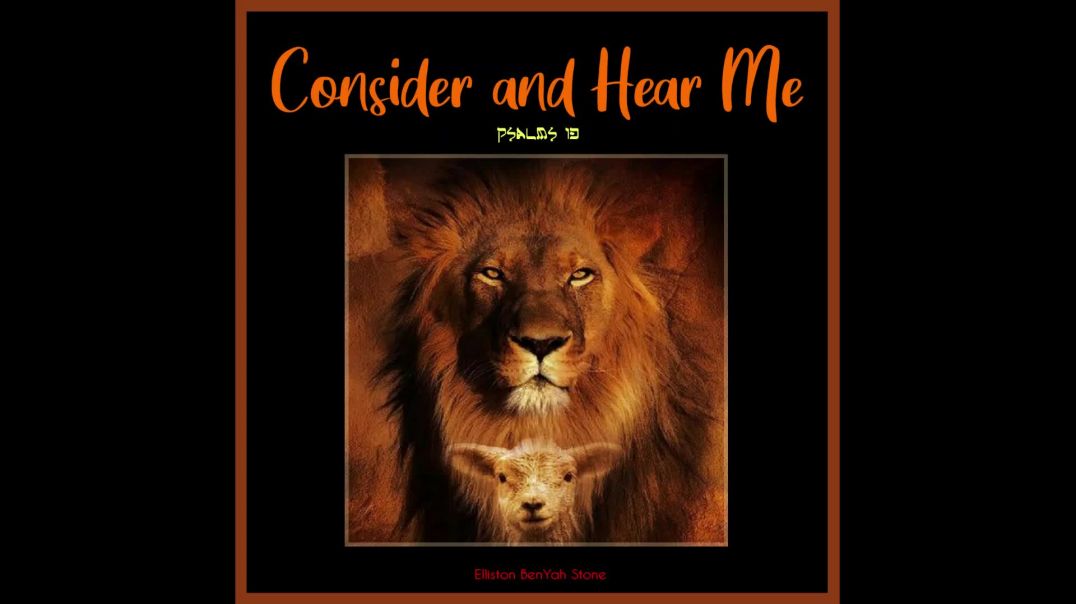
Introducing "Consider and Hear Me" Taken from Psalms 13
Pre-release of my music on Hebrew Connect. Available on all streaming platforms 28 May 2021
Add to your playlist by following the link.
https://distrokid.com/hyperfol....low/ellistonstone/co
Many Blessings


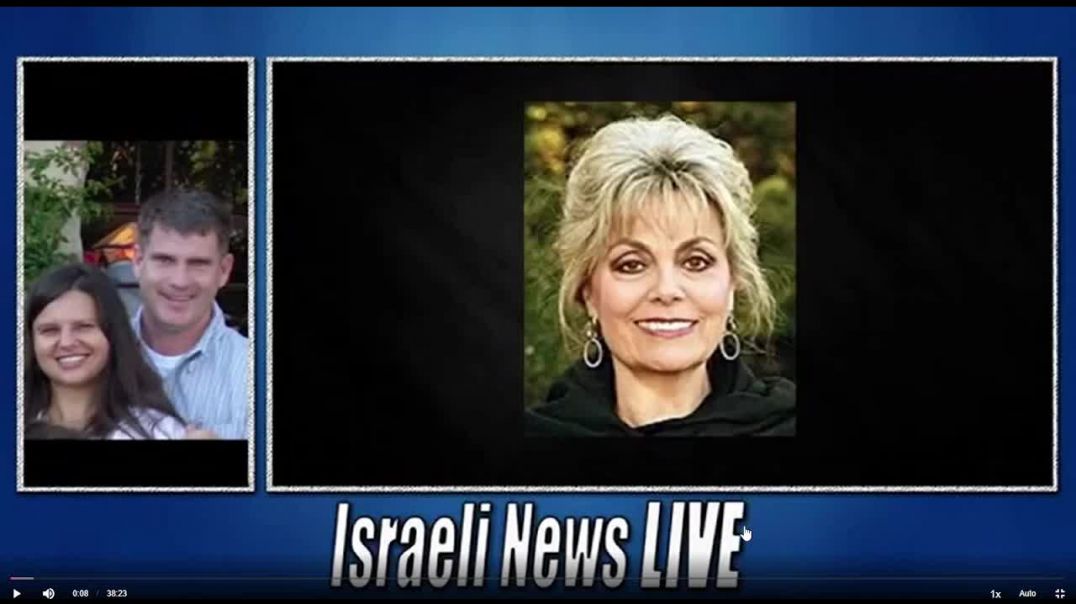
There are leaked documents (supposedly viewed by our governement) that discuss the final phases of impending lockdowns to be enforced on a global basis. It has already begun in a few countries and the documents imply their intent to coherece lockdowns worldwide. As always, pray about it and share this information with as many people that will listen.
The link below will allow you to download a PDF version of the leaked documents for your review.
https://files.constantcontact.....com/daa02ded201/9556


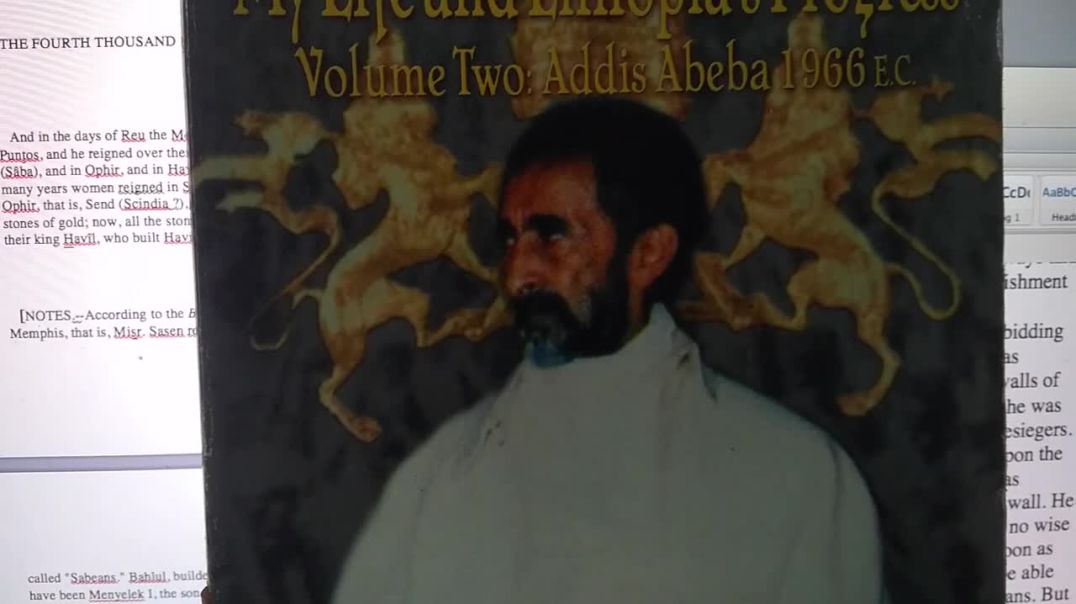
Ethiopia is a landlocked country in Africa not shippers Sheba Ophir had spices not found in Ethiopia
MOSES KING OF ETHIOPIANS , MARRIED TO AN ETHIOPIAN QUEEN MARRIAGE NOT CONSUMMATED , Remembered Joseph in Egypt
Jasher 73 Moses in Ethiopia 2395AM The children of Cush placed him on the throne instead of Kikianus king of Cush and they placed the royal crown upon his head, and they gave him for a wife Adoniah the Cushion queen, wife of Kikianus. And Moses feared the Lord God of his fathers, so that he came not to her, nor did he turn his eyes to her.
Ophir Havila far away 3 year journey for gold silver spices etc
Sabeans are separate nation Job 1 v15 Sabeans slew Job's family
Rastafarians are idolaters who don't search truth
Isaiah 45v14 Thus saith the Lord, the labour of Egypt, and the merchandise of Ethiopia and of the Sabeans
Sabeans are far away
Joel 3v8 And I will sell your sons and daughters into the hand of the children of Judah, and they shall sell them to the Sabeans, to a people far off: for the Lord hath spoken it.
1 Kings 11v1 Solomon's many strange women did not list Sabeans Sheba or Ethiopians
The Kings who ruled Israel are listed in the book of Kings and Chronicles
The Book of the Order of the Succession of Families from Adam to Christ which is called the Cave of Treasures
Lists a king who reigned in the days of Reu of Mizraim
A king of Shebha (Saba) and in Ophir and in Havilah And there reigned in Saba sixty of the daughters of Saba. And for many years women reigned in Saba until the kingdom of Solomon, the son of David.
Babylonian Version https://www.sacred-texts.com/jud/loj/loj411.htm
Ethiopians do not record 60 female queens and their queens are normally called Kandake or Candace
Book of Adam said the fist King of Saba is said to have been Menyelek I the son of Solomon, King of Mael and Makeda Queen of Sheba
Ethiopians do not list Saba as their first King
Makeda is not listed in the Bible as an Israelite Queen mother
Ethiopians list different Israelites who did not ascend their throne
https://www.africaresource.com..../rasta/sesostris-the
Ham has a son with Seba and Havila in their genealogy Genesis 10v7 Sons of Cush Seba and Hauilah and Sabtah different from Shem's children of the same name
Shem has grand children with Sheba and Hauilah
Genesis 10 has v22 Children of Shem v26 Joktan, v28 Obal, Abimael and SHEBA v29 Ophir and Havilah and Iobab sons of Ioktan
The inheritance given to SHEM was not the same places given to HAM
Satanic star on Ethiopian flag and One West Camps and their doctrines taught by Cabbalists
https://youtu.be/rUyQ1ZIQOX8
Emperor Haile Selassie Overthrown, died or was killed and buried by the next rules in the palace to ensure he did not rise from the dead, AP Article Selassie reburied
Emperor Haile Selassie’s Body Exhumed
ABEBE ANDUALEM February 17, 1992
https://apnews.com/article/606....a2ef2fb7bc2e7d73e902
Rastas REPENT! Bob Marley Robert Nesta Marley was baptised before his death by the Ethiopian Orthodox church as a Christian . Notice Reggae was basically Hebrew Israelite Christian music about the Bible, Jah, Zion, Babylon captivity , Psalm, Praise, Dub, Hymns, Fighting Oppression, until Satanist promoters took it over and the rest is garbage then they started devil music, sing about Selassie etc. Its time to repent. Negroes are Israelites of the 12 Tribes of Jacob, not Ethiopians descended from Ham.
Profile Ian Boyne Interview. Selassie Ethiopia sent minister to Jamaica to teach the Rastafarian community that Jesus Christ is Jehovah , Selassie is not Jesus Christ
https://youtu.be/yNsDCdeZEDY
Ethiopian Falasha Jews claim descent from the Tribe of Dan had a 13 month (leap month) calendar like the Hebrews and Igbos. According to one source they do not believe in Christ, Mary or the Saints, many are living in Ashkenazim Israel (the most antiChrist place on earth)
From Tragedy to Triumph: The Politics Behind the Rescue of Ethiopian Jewry
By Mitchell Geoffrey Bard
https://books.google.com/books?id=sjO8JOSKDCMC&pg=PR11&source=gbs_toc_r&cad=4#v=onepage&q&f=false
Jeremiah 2v27-28
https://rairfoundation.com/who....-leader-promotes-bil


Listen: www.truthmusicradio.com
Follow:
@truthmusicradio
https://www.facebook.com/truthmusicradio
https://twitter.com/truthmusicradio
Sponsor:
https://www.patreon.com/truthmusicradio
https://www.paypal.com/paypalme/truthmusicradio
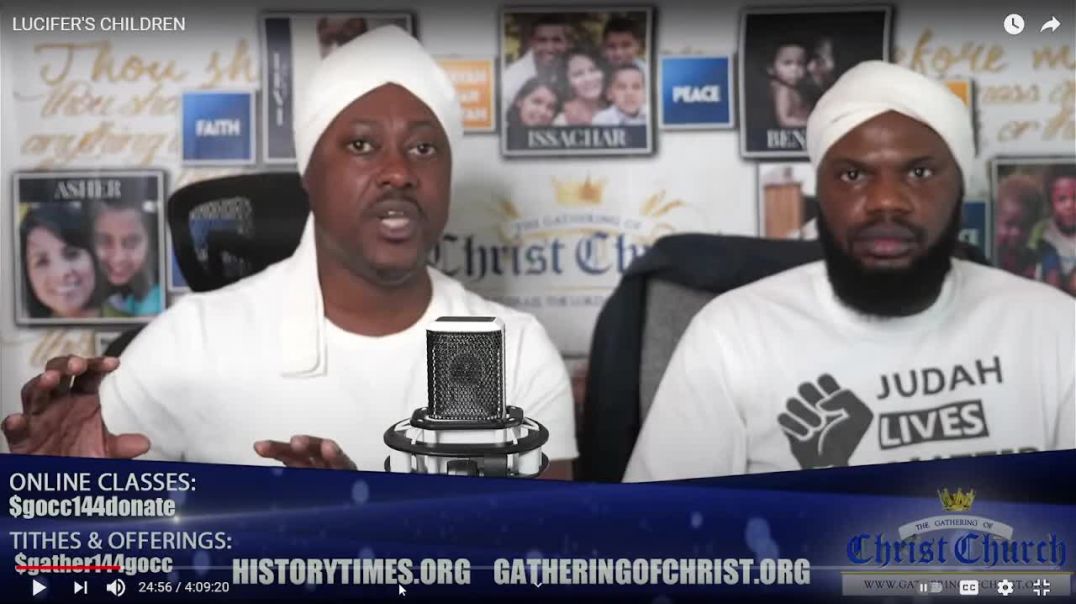
This video highlights the components of the Covid-19 Vaccine that are directly named after Lucifer (Isa 14:12) and how the vaccine is connected to the New World Order.
Also, I need to correct a statement that I made in this video. I said that there are around 18 HIV inserts in Covid-19. That is incorrect. There are 4 HIV inserts and you can hear more of that discussion by using the link below:
https://www.youtube.com/watch?v=usyQgPU-VrI
Lastly, if you want to know more about the PEG components within the Covid-19 Vaccine, please refer to my blog by using the link below:
https://houseofshiloh.org/blog....-updates/f/irrefutab
Much Shalom.







Background music courtesy www.bensound.com
Copyright Disclaimer: - Under section 107 of the copyright Act 1976, allowance is made for FAIR USE for purpose such a as criticism, comment, news reporting, teaching, scholarship and research. Fair use is a use permitted by copyright statues that might otherwise be infringing. Non- Profit, educational or personal use tips the balance in favor of FAIR USE.


This study is wonderful in that it teaches not only proper worship as commanded by Yahuah, but the often challenges that arise as we strive to carry them out.
Book: Researchers Library of Ancient Texts Volume 1 The Apocrypha
http://www.yahushascall.com
Email: yahushascall@gmail.com
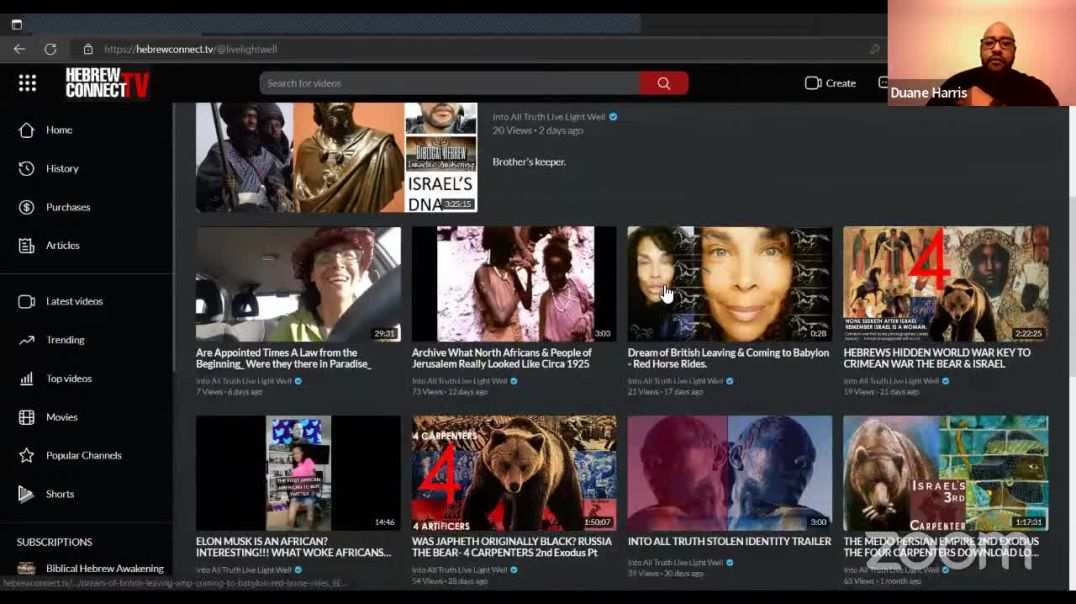

HebrewConnect.com : Social Network
HebrewConnect.tv : Video Sharing
HebrewConnectTV Android App: https://play.google.com/store/apps/de...
For prayer email prayer@hebrewconnect.com
For help & assistance email ministry@hebrewconnect.com
To donate; https://www.hebrewconnect.org/support-us

29 After these years shall my son HA’MASHIACH die, and all men that have life.
30 And the world shall be turned into the old silence seven days, like as in the former judgments: so that no man shall remain.
31 And after seven days the world, that yet awaketh not, shall be raised up, and that shall die that is corrupt
32 And the earth shall restore those that are asleep in her, and so shall the dust those that dwell in silence, and the secret places shall deliver those souls that were committed unto them.
33 And the most High shall appear upon the seat of judgment, and misery shall pass away, and the long suffering shall have an end:
34 But judgment only shall remain, truth shall stand, and faith shall wax strong:
35 And the work shall follow, and the reward shall be shewed, and the good deeds shall be of force, and wicked deeds shall bear no rule.
36 Then said I, Abraham prayed first for the Sodomites, and Moses for the fathers that sinned in the wilderness:
37 And YAHUSHA after him for Israel in the time of Achan:
38 And Samuel and David for the destruction: and Solomon for them that should come to the sanctuary:
39 And Helias for those that received rain; and for the dead, that he might live:
40 And Ezechias for the people in the time of Sennacherib: and many for many.
41 Even so now, seeing corruption is grown up, and wickedness increased, and the righteous have prayed for the ungodly: wherefore shall it not be so now also?
42 He answered me, and said, This present life is not the end where much glory doth abide; therefore have they prayed for the weak.
43 But the day of doom shall be the end of this time, and the beginning of the immortality for to come, wherein corruption is past,
44 Intemperance is at an end, infidelity is cut off, righteousness is grown, and truth is sprung up.
45 Then shall no man be able to save him that is destroyed, nor to oppress him that hath gotten the victory.
46 I answered then and said, This is my first and last saying, that it had been better not to have given the earth unto Adam: or else, when it was given him, to have restrained him from sinning.
47 For what profit is it for men now in this present time to live in heaviness, and after death to look for punishment?
48 O thou Adam, what hast thou done? for though it was thou that sinned, thou art not fallen alone, but we all that come of thee.
49 For what profit is it unto us, if there be promised us an immortal time, whereas we have done the works that bring death?
50 And that there is promised us an everlasting hope, whereas ourselves being most wicked are made vain?
51 And that there are laid up for us dwellings of health and safety, whereas we have lived wickedly?
2 Esdras 7:52-70
Like this video??? Subscribe
Shalom Yashar'el, Yahudah, Grafted Gentiles, and Strangers, into YAHUSHA HA'MASHIACH, I am the ToRaH GuArDiAn" SERVANT of YAHUAH and ADONI YAHUSHA HA'MASHIACH to the 12 tribes which are SCATTERED abroad, delivering the WORD MADE FLESH FULL OF GRACE AND TRUTH
We "THE PEOPLE OF THE BOOK BROADCAST" endeavoring by the RUACH HA'QODESH TO WAKE UP YA'AQOV AND YAHUDAH with ThE AbSoLuTe TrUtH of TORAH!!! GUARDING YAHUAH'S AND YAHUSHA LAWS STAUTES AND COMMANDMENT by KEEPING HIS WORD (John15:10)!!!
Article : Where Did the Symbolism of the Cross Originate? https://www.ucg.org/bible-stud....y-tools/bible-questi
Song Courtesy of “" HezekiYAH FREE WINDS 2.5!!!
Song Courtesy of My Beloved Achi Song Writer, Producer, and Performer Extraordinar 'Lorvins" (featuring My Moreh Malachi) "YAHUAH TESBA'OTH" WE DONT OWN THE RIGHTS TO THE MUSIC FEATURED!!!
Twitter:
https://twitter.com/ToRaHGuArDiAn
Facebook:
https://www.facebook.com/ToRaHGuArDiAn/
Instagram:
https://www.instagram.com/torah


HebrewConnect.com : Social Network
HebrewConnect.tv : Video Sharing
HebrewConnectTV Android App: https://play.google.com/store/....apps/details?id=com.
For prayer email prayer@hebrewconnect.com
For help & assistance email ministry@hebrewconnect.com
To donate; https://www.hebrewconnect.org/support-us
#HiddenHebrews #JusticeforJudah #HCTV #HebrewConnectTV



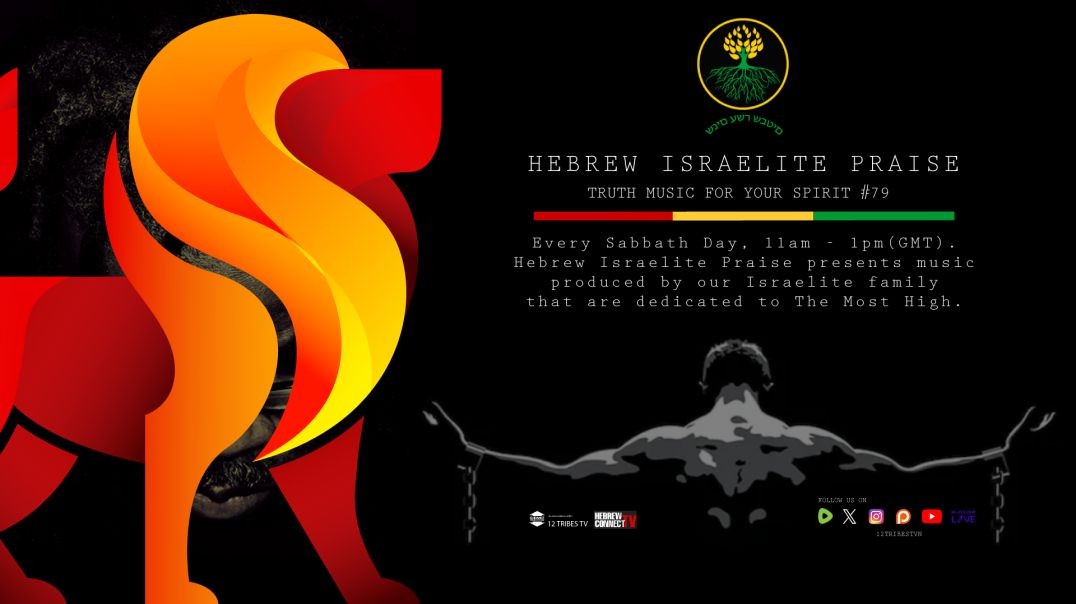

Hebrew Israelite Praise w/ Brotha J - Truth Music For Your Spirit #79
every Sabbath Day, 11am - 1pm (GMT). Brotha J plays truth music produced
by our Israelite artists scattered to the four corners, that are
dedicated to The Most High. Shabbat Shalom.
FIND US ON SOCIAL MEDIA:
HebrewConnectTV: https://hebrewconnect.tv/@12TribesTVN
Facebook (Meta): https://www.facebook.com/12Tribestv
Twitter (X): https://www.twitter.com/12tribestvn
Instagram: https://www.instagram.com/12tribestvn
Mixcloud: https://www.mixcloud.com/12Tribestvn
Patreon: https://www.patreon.com/12TTVN
Rumble: https://rumble.com/c/c-5351485
TRACKLIST:
TBC
Tracklist is also embedded in video.
When song is ON-AIR look just above the LEFT ARM of the MAN PRAYING
to source TRACK TITLE, and just above the RIGHT ARM for TRACK ARTWORK.
INSTRUCTIONS FOR SENDING US YOUR PROMO MUSIC.
1 - Make sure to include a one sheet containing information regarding
the track your are sending.
2 - All promo tracks sent in must be at least MP3 (320) format.
3 - To send us your tracks, email: promotracks@12tribestvn.com
TO BOOK THE DJ
Email: bookings@12tribestvn.com
TO JOIN MAILING LIST
Email: mailinglist@12tribestvn.com
#truthmusic, #setapartmusic, #israelitemusic,

I joined some sisters to read through the Scriptures, expecting nothing more than to read and listen. However, as time passed, the experience unfolded into something much deeper, revealing that YAH had a different purpose for my being there. - This is Part Two!
Part One Here - https://youtu.be/leGQW1NfAdc
Email for those wanting to connect or if you require assistance:
connectNspiritNtruth@gmail.com
To Support:
CashApp - $YAHSSTOREHOUSE
To connect with Malakah AdaYah - batyah.leshia@gmail.com
@SisterMalakahAdaYah
Biblical Seasons Almanac 2024 - https://bit.ly/41QX2oc [Please support by giving a donation]
Whether new to faith or a seasoned believer, this channel offers content for anyone seeking to strengthen their relationship with Yah. If you love hearing testimonies of Yah’s miraculous works, enjoy scriptural insights, or are searching for a deeper spiritual connection, this channel is for you!
Our mission is to glorify Yah through real stories, creative expressions, and teachings that inspire faith, hope, and transformation. We aim to encourage and uplift believers as they walk in faith and trust in Yah’s promises.
Subscribe now and hit the notification bell so you never miss an episode. Share your testimony with us and join the conversation in the comments as we build a community of faith.
Please stay connected with us across all platforms! Follow us on Instagram, and Facebook for more faith-based encouragement, behind-the-scenes content, and updates on upcoming episodes.
If you feel led to support, you can send it to our CashApp at $Stand4Another. If you'd like to share your testimony or be a guest on the podcast, we’d love to hear from you—email us at info@.amanabayah.com Your support and stories mean so much to us.
Website: amanabayah.com
To Order Atonic Guard or Check Out Our Products -
ParahByAmana.com
You can also find me at Hebrew Connect - https://hebrewconnect.com/register?ref=AmanahBaYah
#viralvideos #testimony #podcast


How Caucasians,Edomomites, Japhetic nations fulfill Bible prophesy by wiping themselves out, Obadiah prophesy
https://www.dailymail.co.uk/ne....ws/article-15395001/
Soweto South Africa Apartheid
https://rumble.com/v6t4z99-cri....mes-of-apartheid-sow
https://moonbattery.com/alarmi....ng-euthanasia-law-co